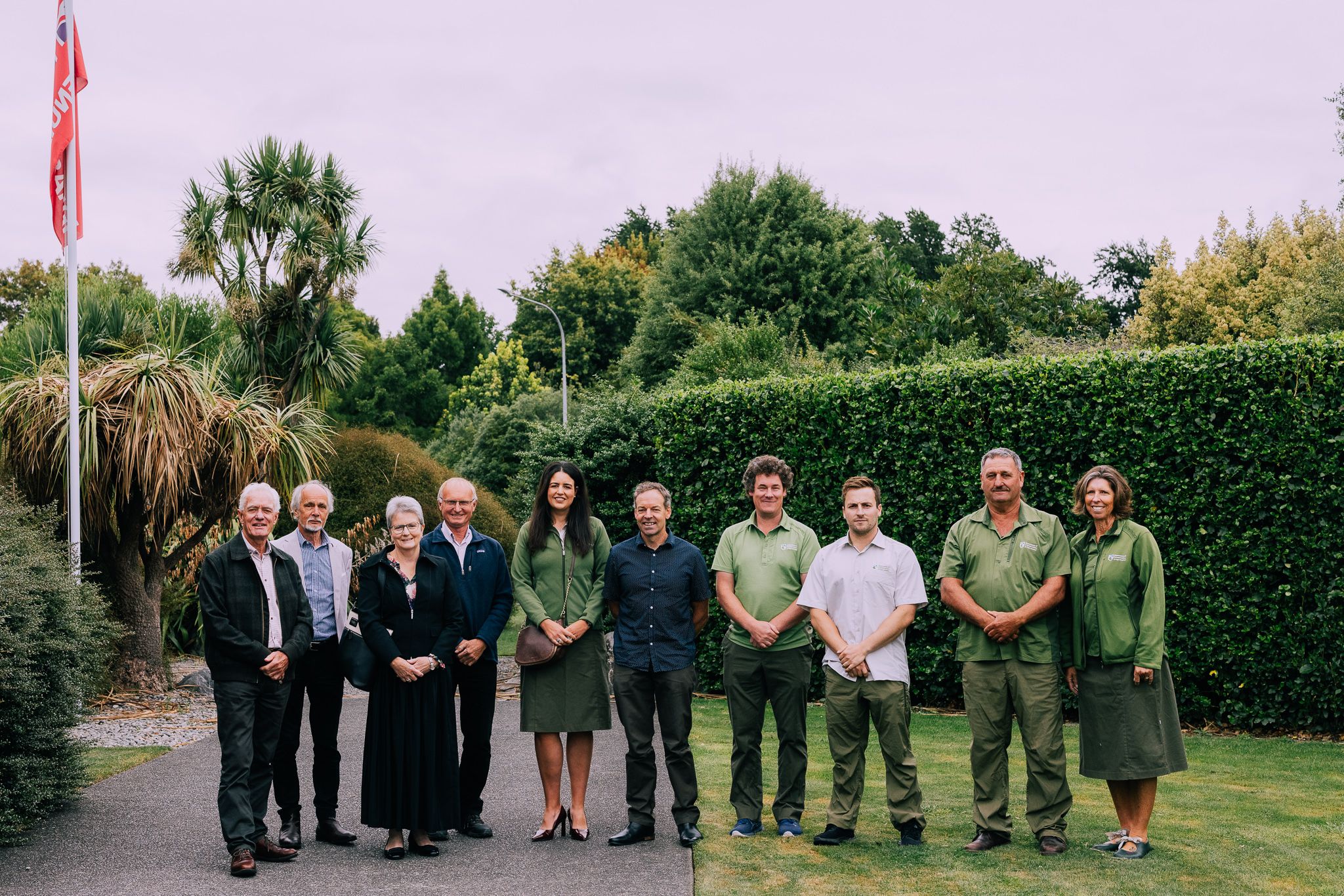
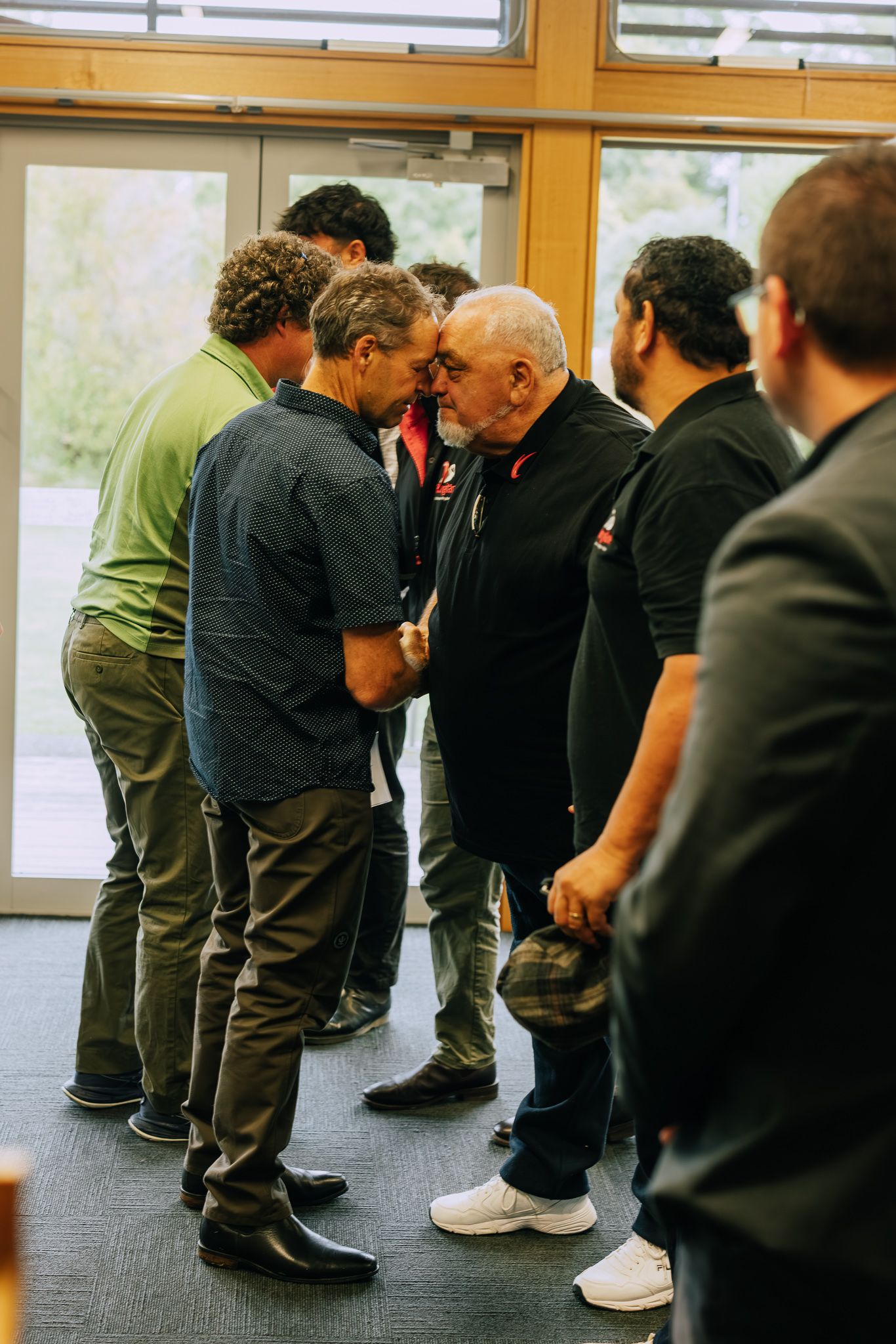
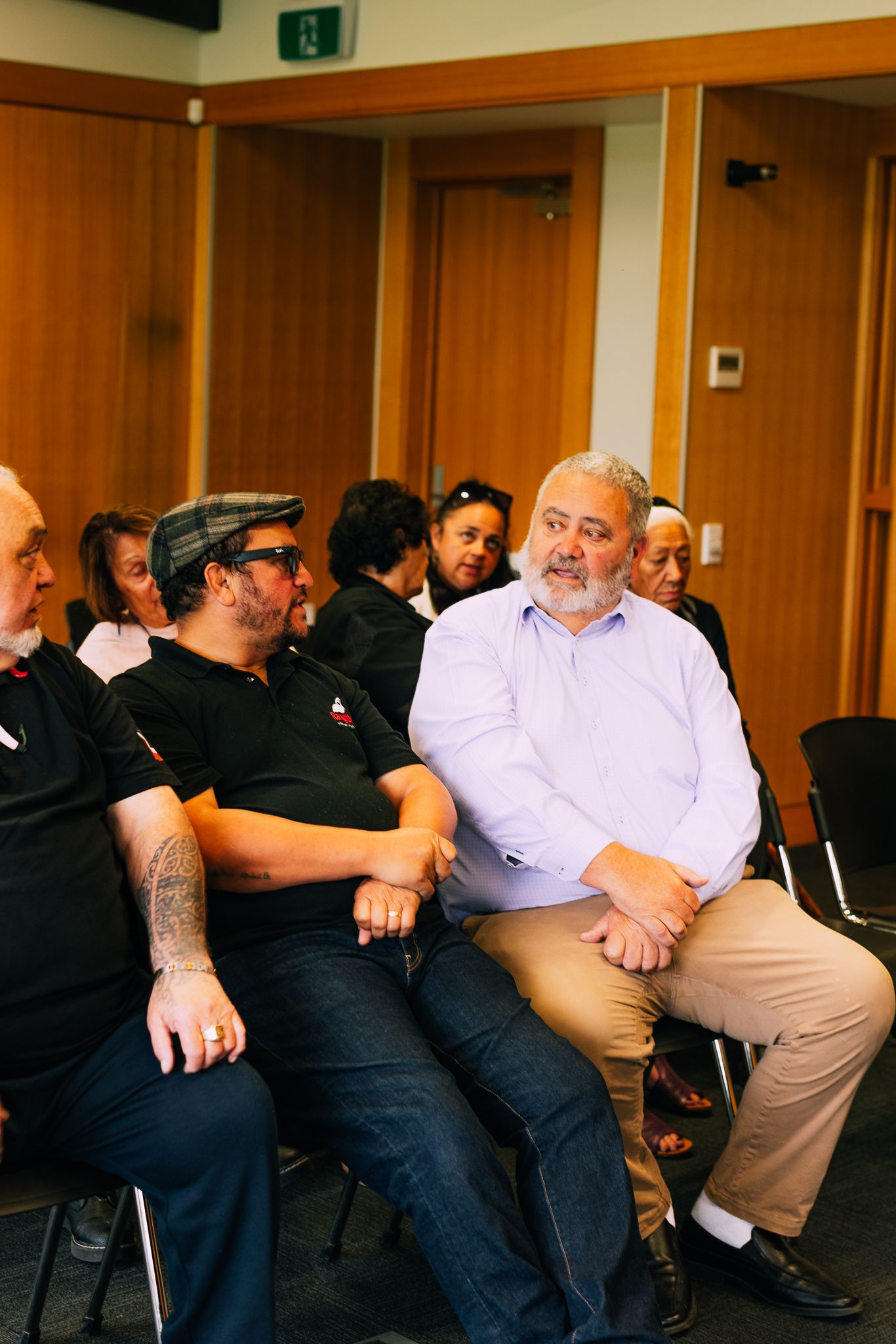
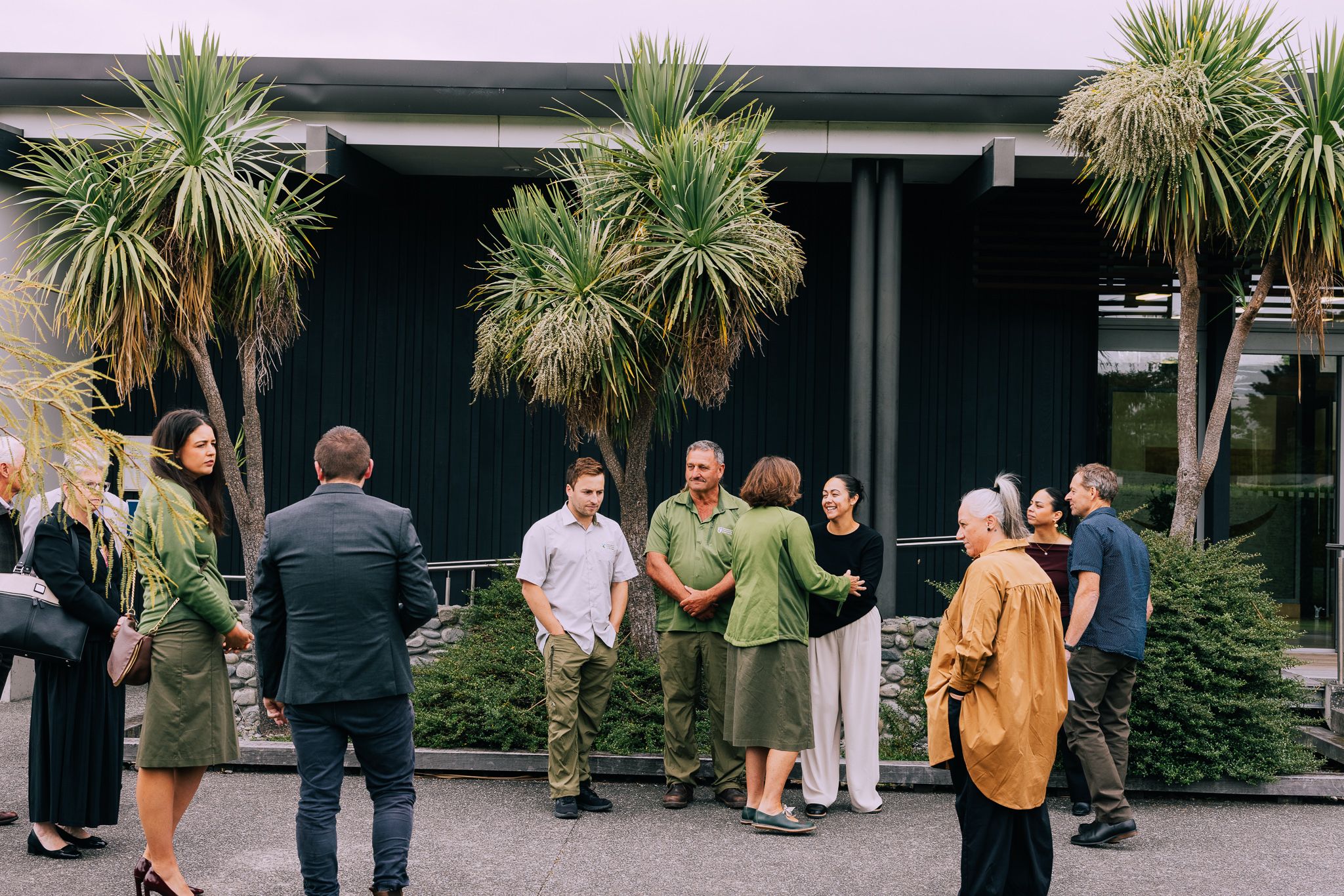
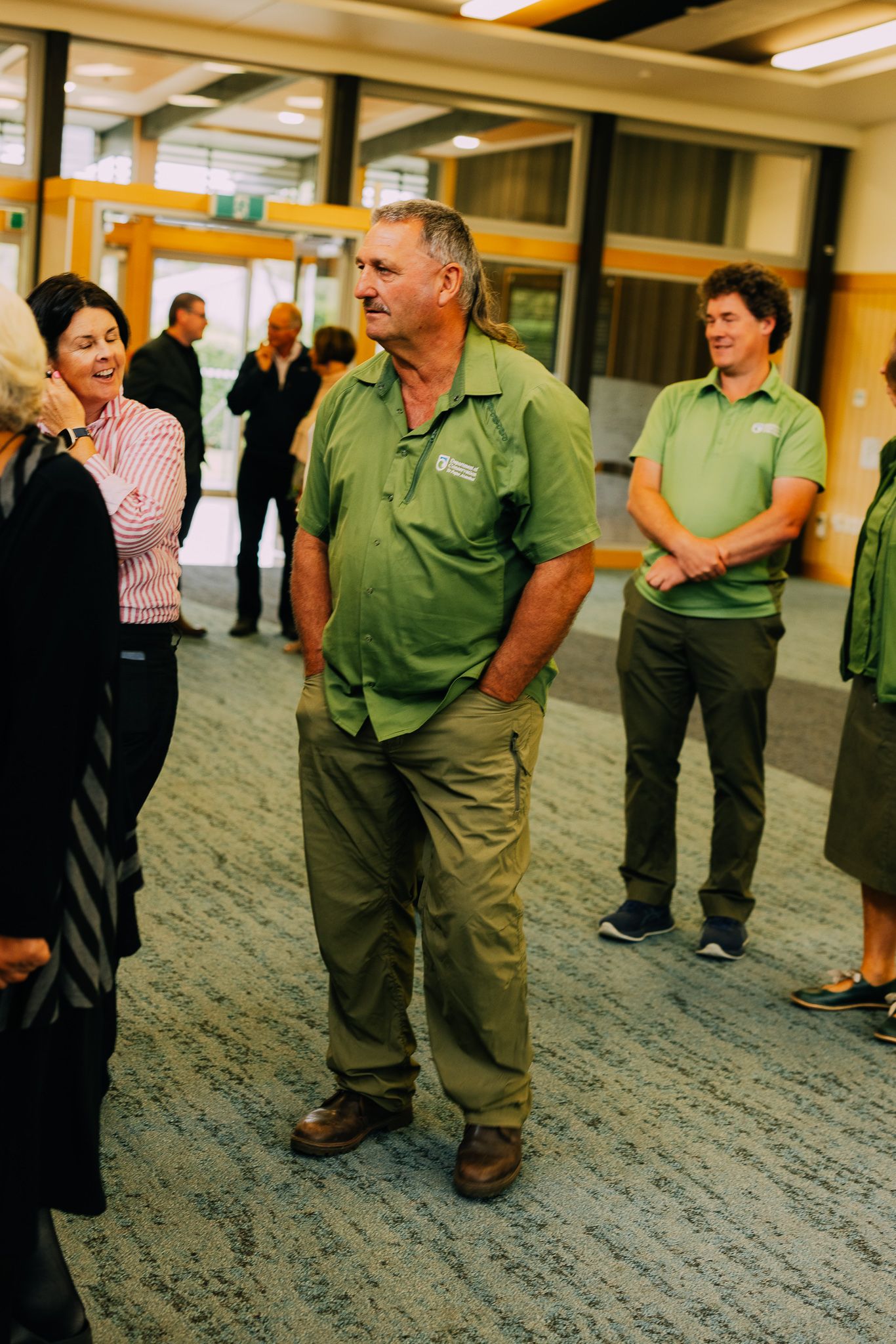
Friday 27 February marked a significant moment for Rangitāne o Wairau.
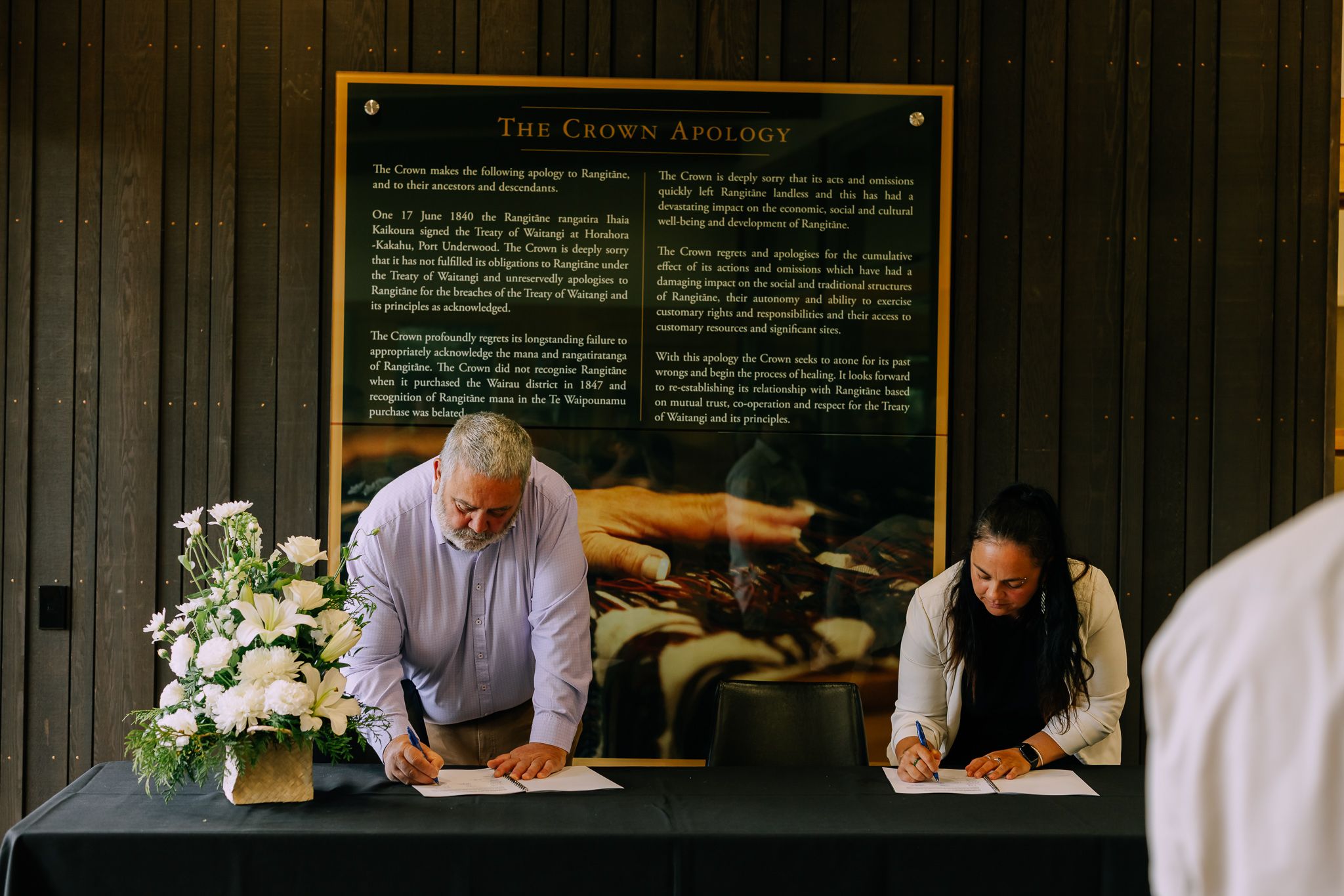
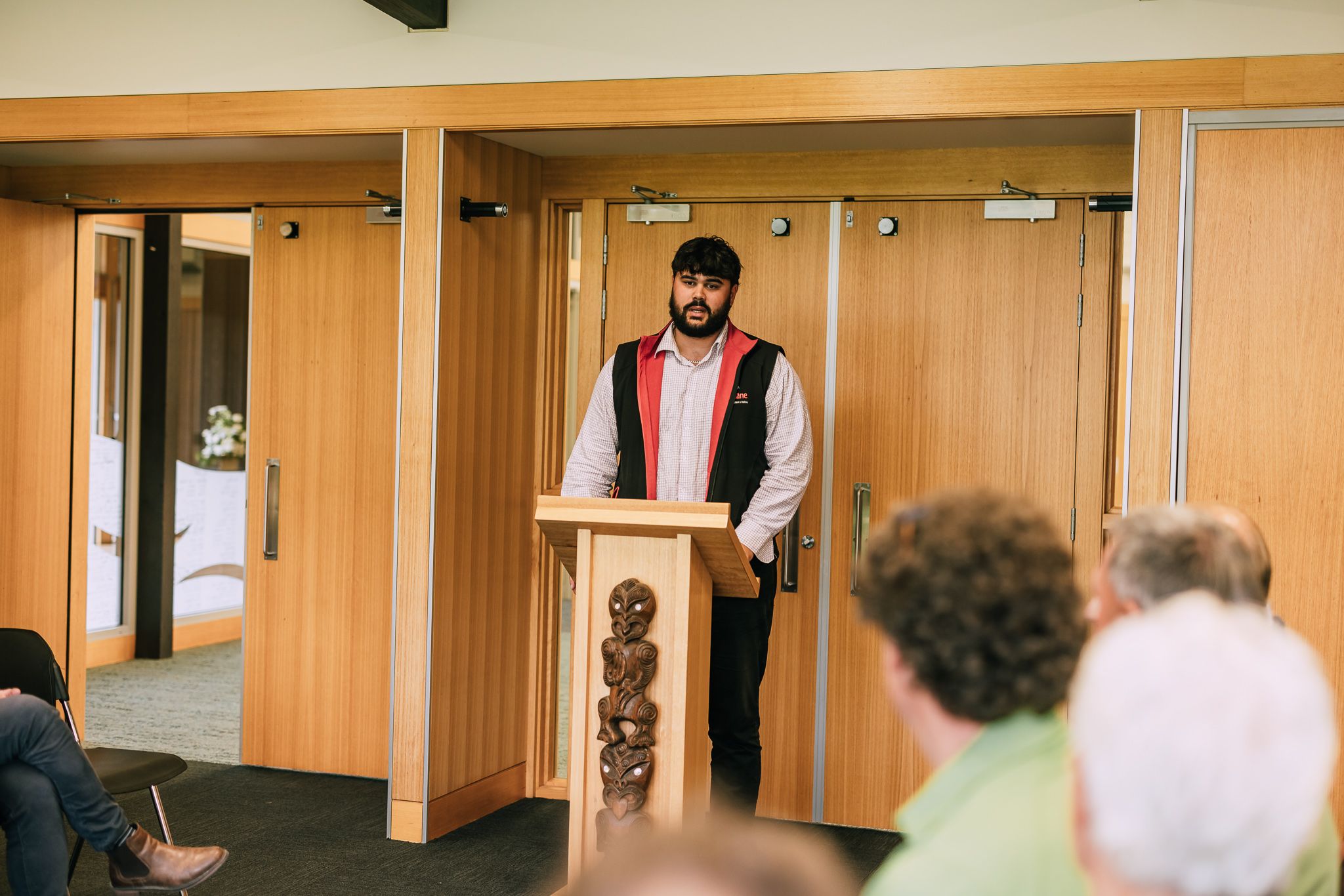
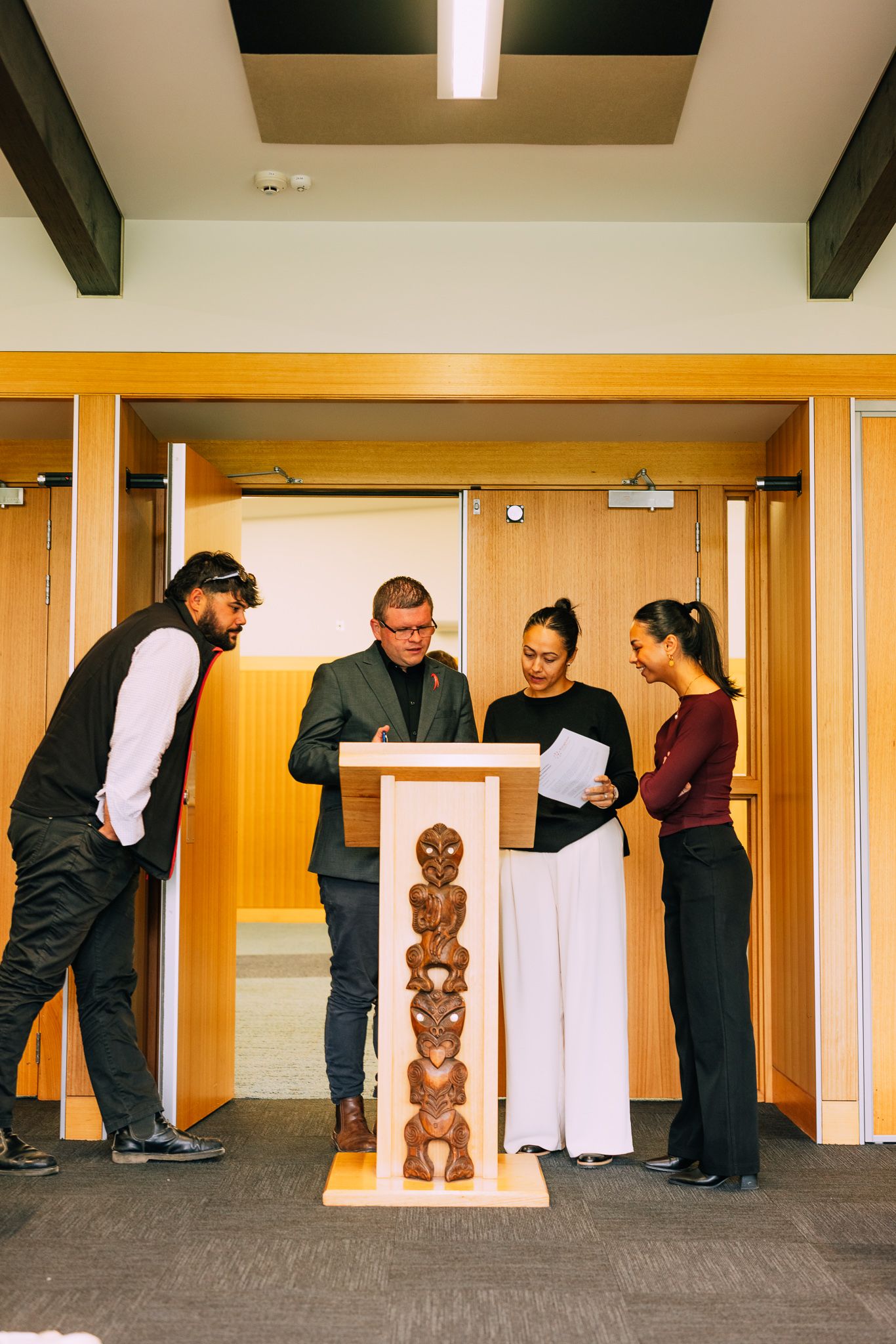
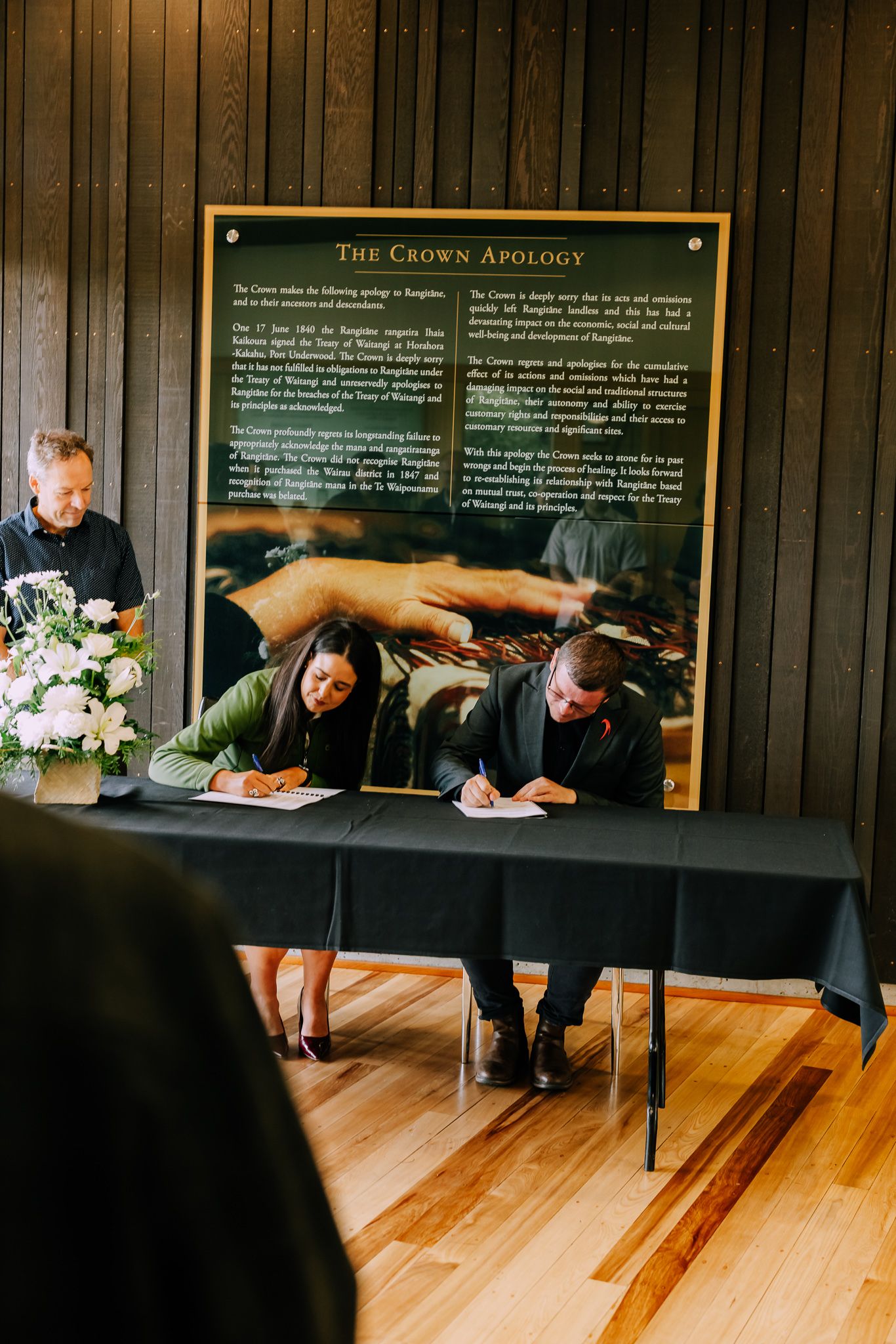
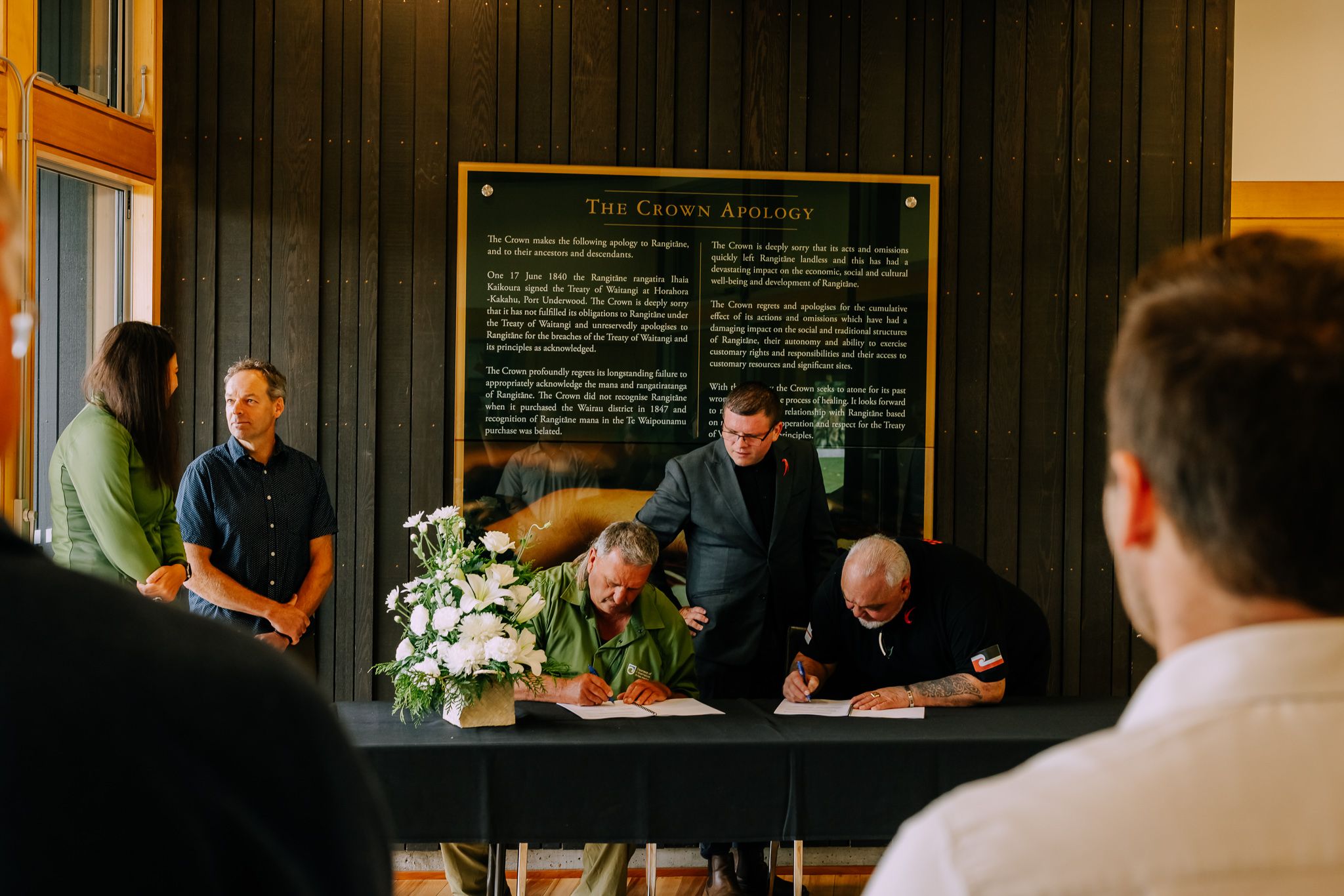
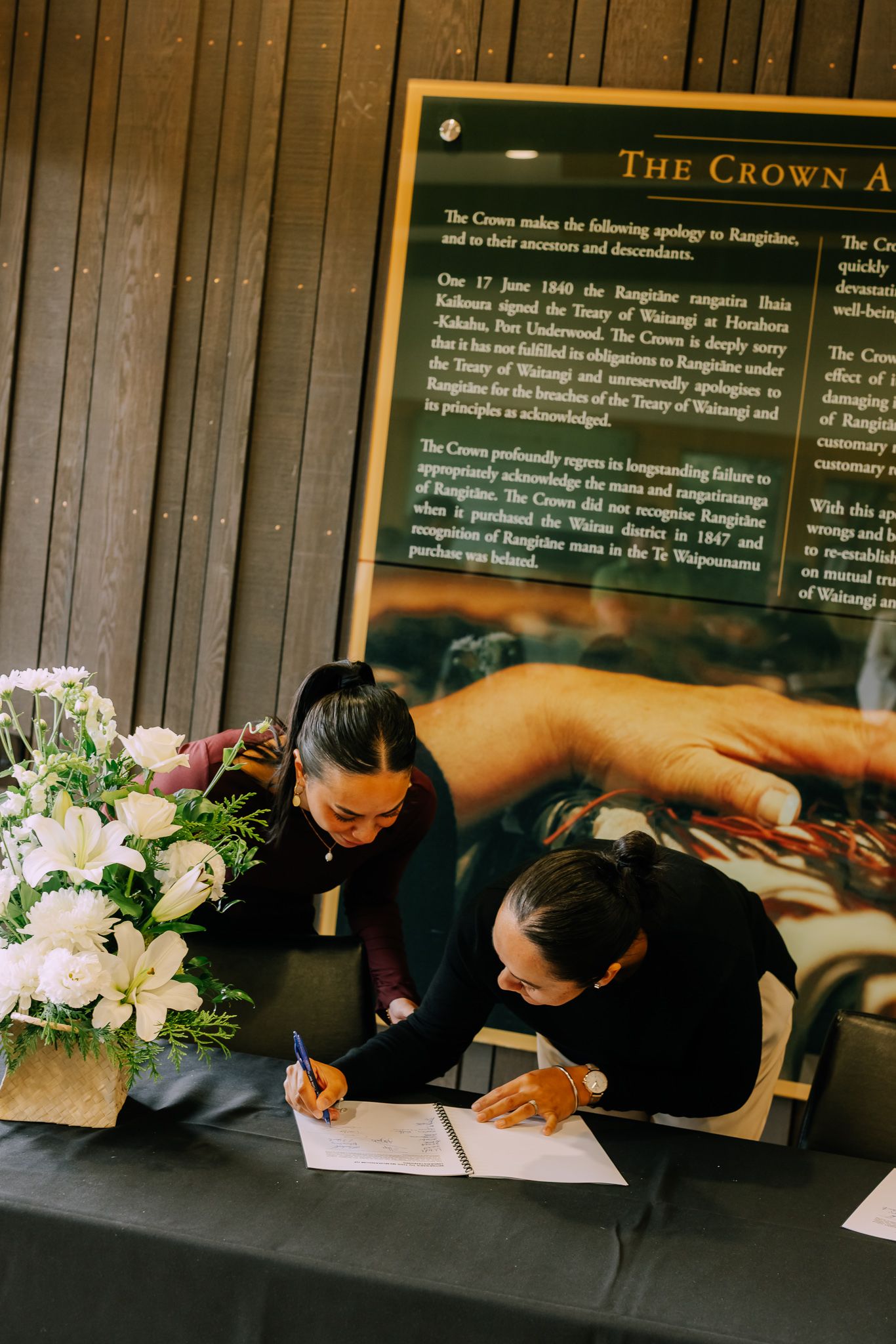
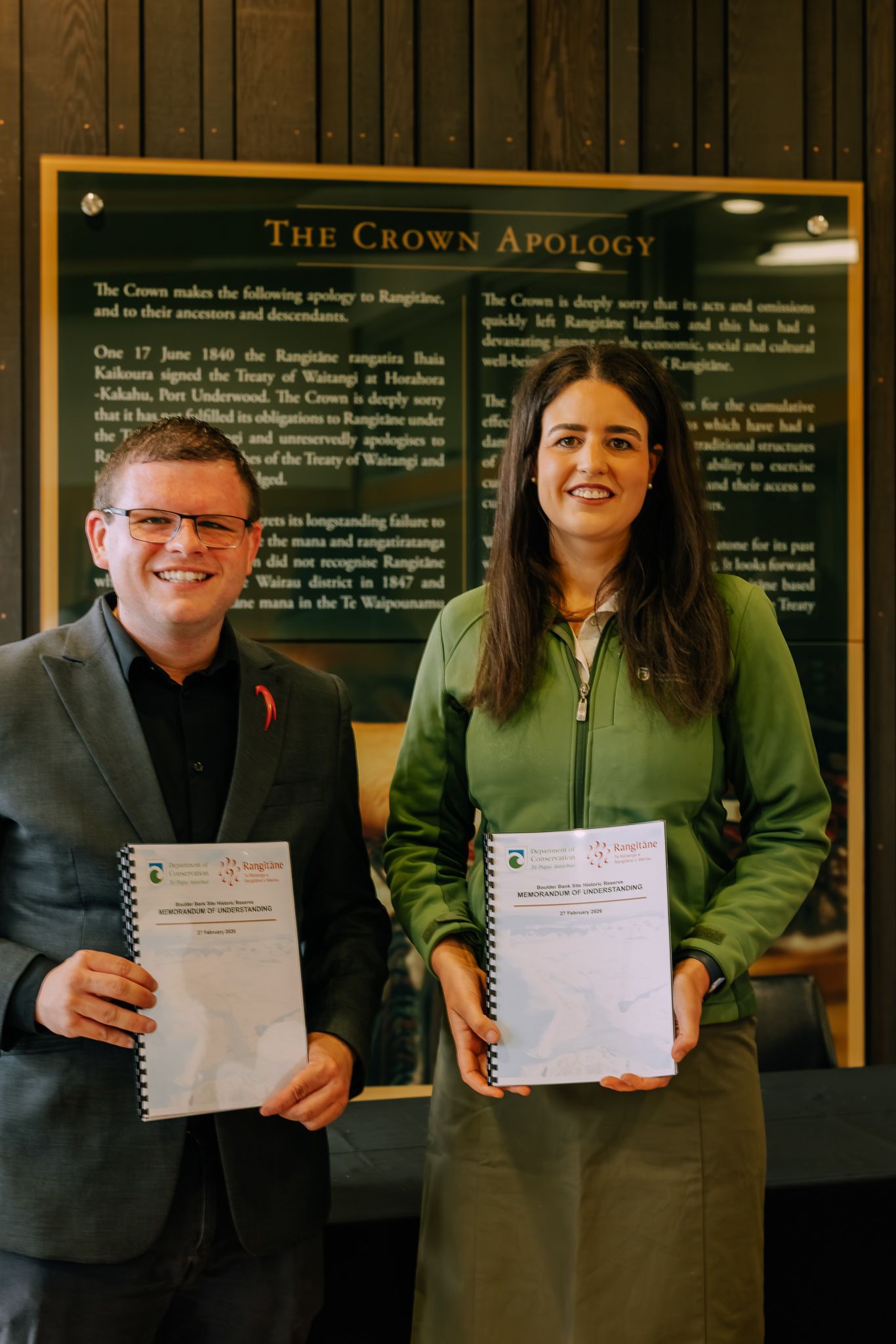
At Ūkaipō in Grovetown, Rangitāne formally entered into a Control and Manage Agreement for Te Pokohiwi o Kupe.
The agreement was signed in front of the Crown apology made to Rangitāne through our Treaty settlement, and on the same floorboards that once sat in the Grovetown Hall, where Rangitāne’s Treaty claim was heard in 2003.
That physical continuity was important and fitting. It reminded us that today did not come out of nowhere. It sits directly on top of earlier moments where grievance was spoken, history was laid bare, and responsibility was denied — before it was finally acknowledged.
“This agreement didn’t just appear overnight,” said Rangitāne o Wairau Kaiwhakahaere Matua (General Manager) Corey Hebberd.
“It sits on the work of generations who never stopped asserting responsibility for Te Pokohiwi, even when it was uncomfortable, and even when no one wanted to listen.”
Te Pokohiwi is a place of deep ancestral and national significance. It is also a place that carries long memory. From the early twentieth century, urupā were disturbed, kōiwi and taonga were removed, and decisions were made without consent or tikanga.
Rangitāne did not stay silent. Voices such as Peter Hohua MacDonald challenged what was happening at a time when doing so brought ridicule rather than support. Those stories remain central to why care, authority, and accountability matter so deeply for this place.
The Treaty settlement was a critical step in addressing that history. It required the Crown to acknowledge breaches of Te Tiriti o Waitangi and to apologise for the harm caused. It returned parts of the Te Pokohiwi landscape and created the foundations for new arrangements — including the agreement entered into. That work was underpinned by whakapapa, kōrero tuku iho, and Briefs of Evidence that ensured Rangitāne history could no longer be ignored.
Another important chapter was the repatriation and reinterment of Rangitāne tūpuna, after decades of removal and storage elsewhere. That work restored dignity and reinforced why Rangitāne responsibility for Te Pokohiwi must be real and active — not symbolic.
The agreement is, by no means, the end of the journey. It does not resolve all issues, nor does it fulfil Rangitāne’s long held aspiration for the full return and vesting of Te Pokohiwi. But it is meaningful progress.
Please click here and here to find the documents.